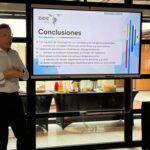
Professors Cecilia-Inés Suárez-Rivarola and Aleix Barrera-Corominas, together with Costa Rican researchers Francia Alfaro Calvo and Jaime Rubén Rojas Grillo (UNED), presented a paper titled “University-Society Engagement: Models and Proposals for Evaluating Its Impact on the Socio-Community Ecosystem” at LASA Central America 2026, the first Regional Symposium organized by the Latin American Studies Association (LASA), held August 4–7, 2026, in hybrid format at the Faculty of Social Sciences of the University of Costa Rica (UCR).
The paper begins with a historical overview of university extension in Latin America and the Caribbean, starting from the Córdoba University Reform (Argentina, 1918), and analyzes the models currently coexisting in the region: from the diffusionist-transferist approach, centered on the one-way transmission of knowledge, to the critical extension model, inspired by Paulo Freire, which favors horizontal dialogue between university and society.
Drawing on an analysis of recent experiences at Central American universities, the team identifies five features that characterize university extension in the region today: its role as a tool for inclusion and social justice, its shift toward participatory approaches to community development, its contribution to economic development and employability, the incorporation of environmental sustainability and territorial development, and its function as a space for collective construction and social transformation.
The second part of the paper focuses on one of the sector’s main challenges: evaluating the impact of these programs. After reviewing the most common limitations — from the lack of prior diagnostics to insufficient resources for evaluation — the research team proposes six guidelines to strengthen the evaluation of university extension outcomes in Central America: building a shared conceptual framework, improving data governance and management, promoting networking among universities, institutionalizing political commitment to impact evaluation, consolidating an evaluation culture geared toward continuous improvement, and strengthening evaluation competencies among those involved.
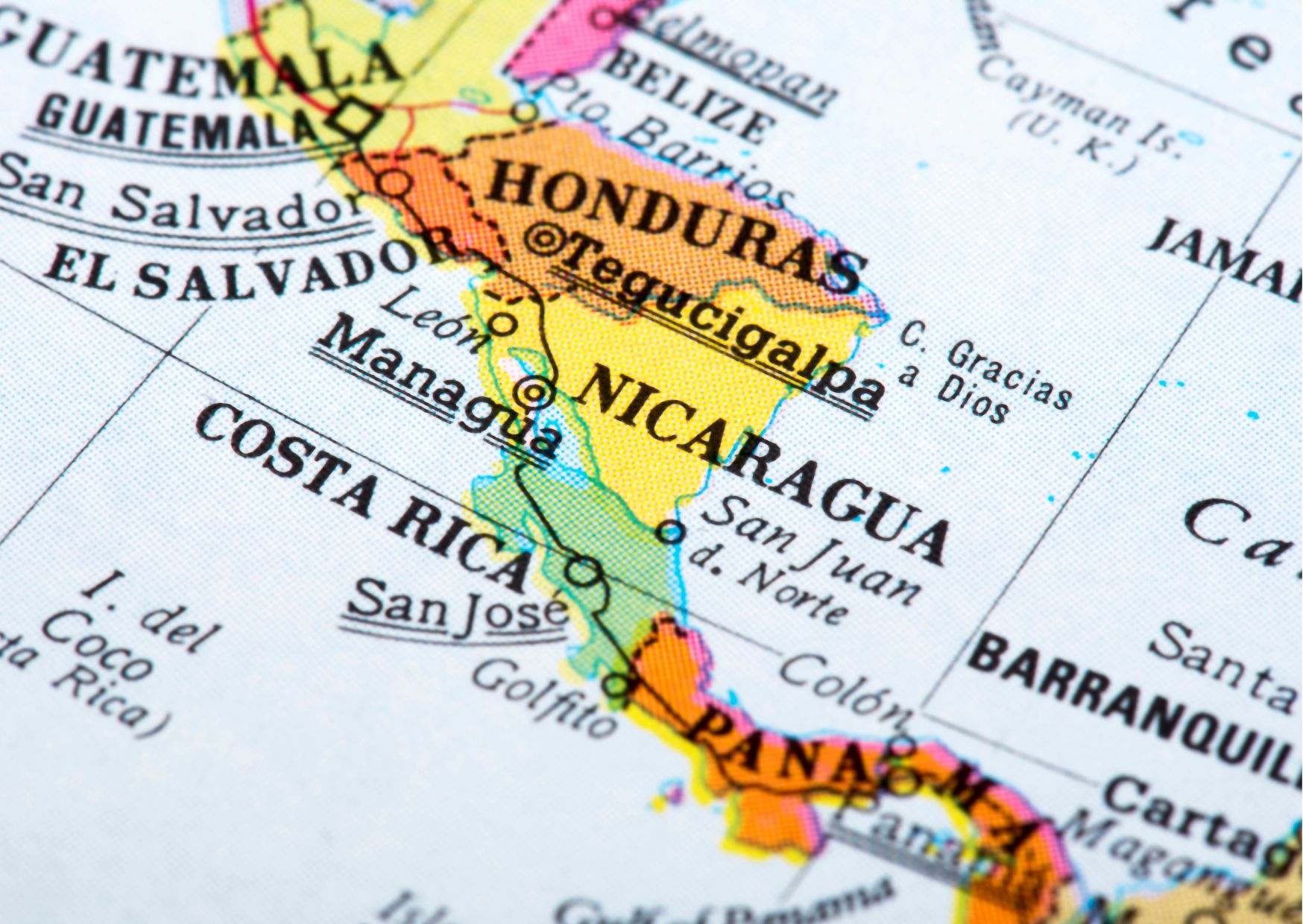
This paper is part of the FUESE project – Strengthening University Extension in the Social Ecosystem of Central America (101128947 – FUESE – ERASMUS-EDU-2023-CBHE), co-funded by the European Commission through the Erasmus+ programme. The project brings together universities from Panama, Costa Rica, Honduras, El Salvador, Guatemala, Germany, and Spain — including the Universitat Autònoma de Barcelona, through CRiEDO — with the aim of strengthening the university extension function and its connection with the Central American social ecosystem.
More information here.