

EIPSI project coordination meeting
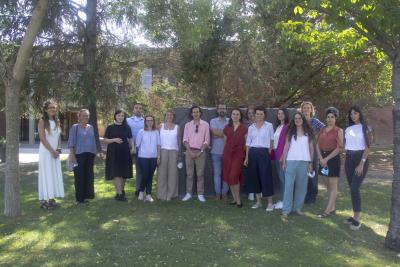
On 6th and 7th September a face-to-face meeting took place between all the partners participating in the EIPSI project.
The members of the EIPSI project have met in person for the first time on September 6 and 7 with the following objectives: 1) work on the development of the EIPSI intellectual results (IO), 2) monitor the progress of the activities, 3) plan the next steps in the development of the project and 4) monitor the progress of the management problems. During the meeting, to facilitate the active participation of all participants and create a safe environment for all, the activities are planned in small groups (green, yellow and blue group) of 4-6 people, in parallel sessions. Each group is made up of representatives from each partner and will be moderated by the OI leaders.
The project aims to design, prototype and test innovative solutions for teachers and stakeholders (such as educational advisors, inspectors, public administrators, delegates) to improve equity and inclusion of students through the use of Evidence-Based Practices.
Addressing school inclusion requires a holistic and interdisciplinary approach, and our consortium is made up of professionals from different areas of knowledge and experience: research, teaching, policy formulation, teacher training, coaching, school development, school inspection, psycho-pedagogical and educational counseling. five different countries and three types of institutions: higher education, public administration and professional association.
To address these priorities, the project proposes a holistic approach, which includes a 360-degree intervention plan that addresses three pillars: (1) capacity building for teachers; 2) school development; 3) networking with stakeholders and raising awareness.
Derived from these three intervention areas, the project will produce tangible results in five domains by producing five intellectual products, including: 1) Systematic data sets of criteria and indicators for teachers, school leaders and policy makers on evidence and practices informed by research for school inclusion; 2) a database with resources (effective and innovative teaching practices) for several classrooms and a digital prototype to engage teachers with quality and validated evidence and facilitate the creation of multidisciplinary associations and networks, as well as a workspace interactive for school information and cooperation; 3) training materials for teachers, school leaders, and educational counselors / tutors and educational policy makers to address school diversity through EIPA; 4) school development plan that includes intervention guidelines, materials and structures; 5) European guidelines for policy makers and community stakeholders on how to foster networking and awareness of evidence-based decisions in the field of school inclusion and equity.
Share on social media: